
Kenya has confirmed its first imported Ebola case after a Kenyan citizen returning from the Democratic Republic of Congo through Uganda died in Nairobi. Health authorities are tracing contacts and passengers who may have been exposed.

A reported death involving a researcher at Russia’s Irkutsk Anti-Plague Institute has raised concerns over possible exposure to Yersinia pestis, the bacterium responsible for plague. Nearly 200 people have reportedly been placed under medical observation as authorities investigate the incident.

A twice-yearly injection called lenacapavir is being hailed as a major breakthrough in HIV prevention after a clinical trial recorded zero HIV infections among participants who received it. But with high costs, patent restrictions and uneven access, a major question remains: who will actually be able to get it?
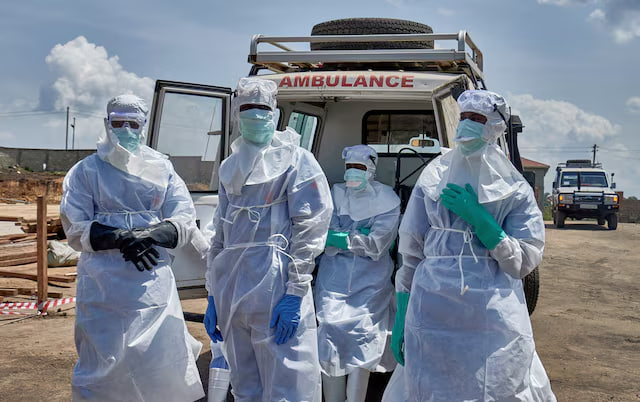
The Ebola outbreak in the Democratic Republic of Congo has crossed a grim milestone, with more than 4,000 deaths and 8,300 confirmed cases reported. As health teams race to contain the virus, conflict, displacement and the destruction of an Ebola transit centre are making an already difficult fight even harder.
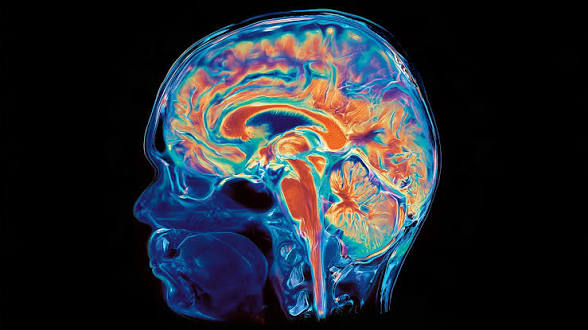
Researchers at Stanford Medicine have found that the human brain develops from two distinct cellular systems with separate evolutionary origins. The discovery could improve research into neurological conditions, including ALS and spinal muscular atrophy.

Billions of dollars have been invested in cancer research, producing major advances in treatment and survival. Yet cancer remains one of the leading causes of death in the United States. Experts say the complexity and diversity of the disease make a single cure unlikely.

Only one in five U.S. men surveyed knew about research linking dairy consumption with prostate cancer risk, highlighting how little many people know about the relationship between diet and the disease.
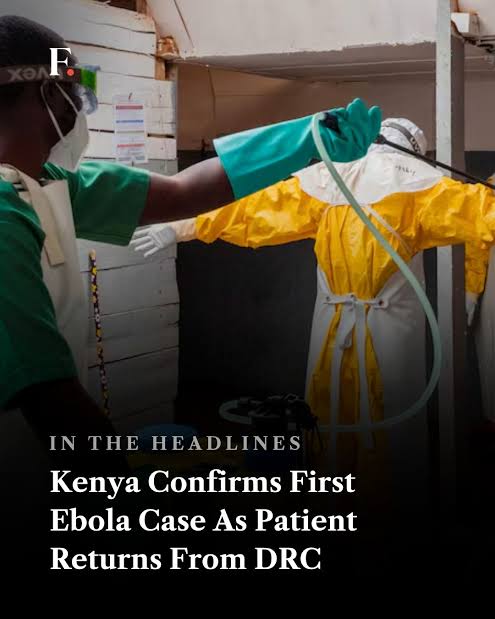
The Ministry of Health has launched contact tracing for passengers and contacts after Kenya confirmed its first imported case of Ebola arriving via Kampala.
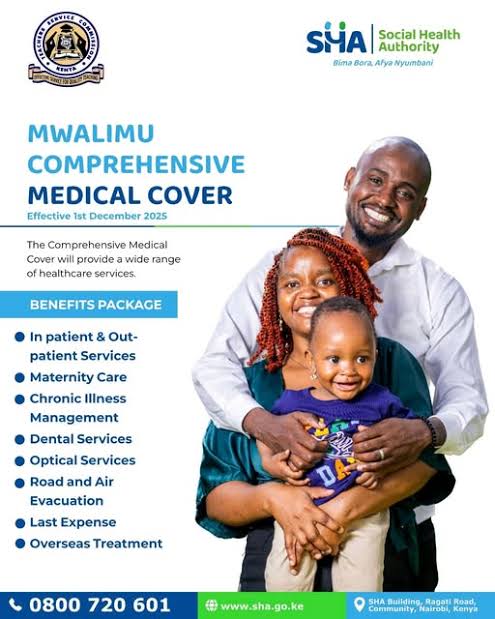
Health CS Aden Duale announced key reforms to the Mwalimu Comprehensive Medical Cover, targeting chronic care, specialized treatments, and stricter provider oversight.
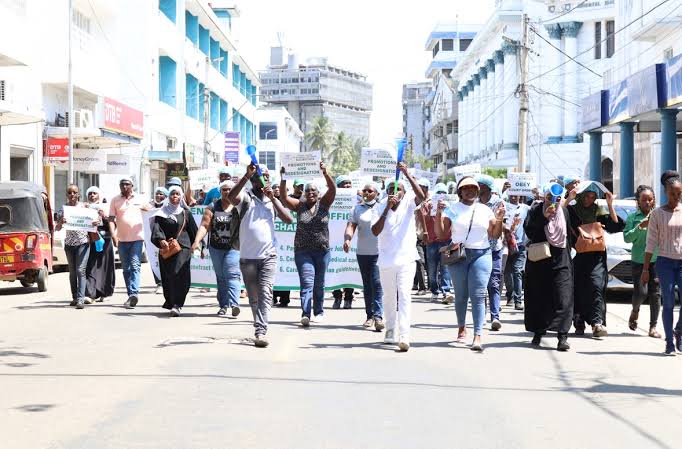
As a 48-day strike by public health officers continues, Kenya faces severe vulnerabilities to cholera, malaria, and waterborne outbreaks ahead of anticipated El Niño rains.
The Social Health Authority has released compliance and digital infrastructure prerequisites that healthcare facilities must fulfill to secure 2026–2029 service contracts.
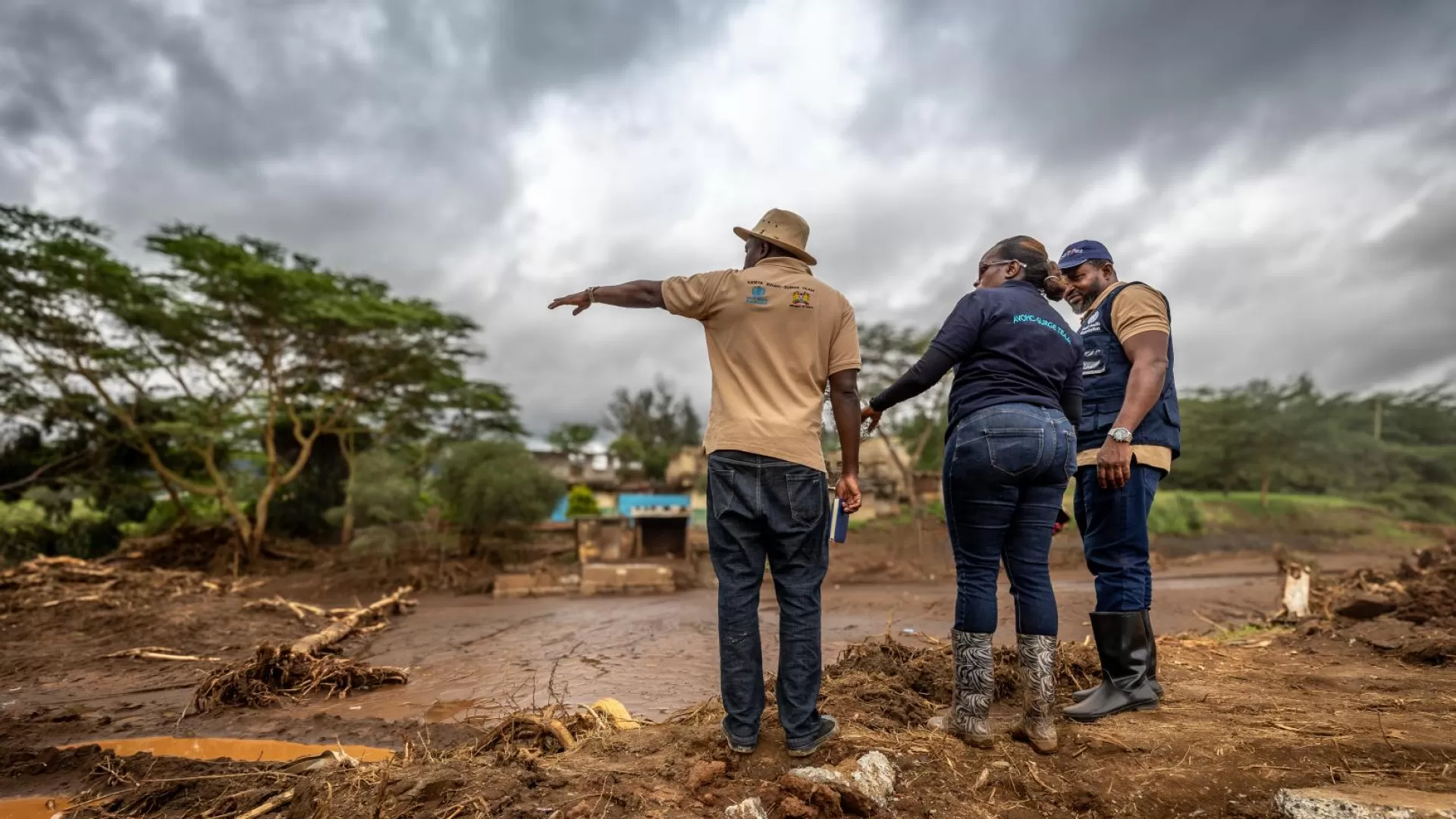
The Ministry of Health has issued a preventative advisory warning of potential waterborne disease surges, including cholera and typhoid, ahead of forecasted El Niño rainfall.