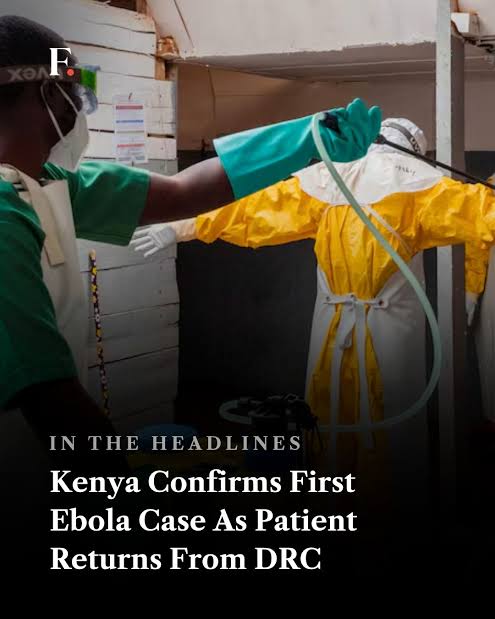
Kenya has confirmed its first imported Ebola case after a Kenyan citizen who had been living in the Democratic Republic of Congo (DRC) travelled back to the country and later died in Nairobi.
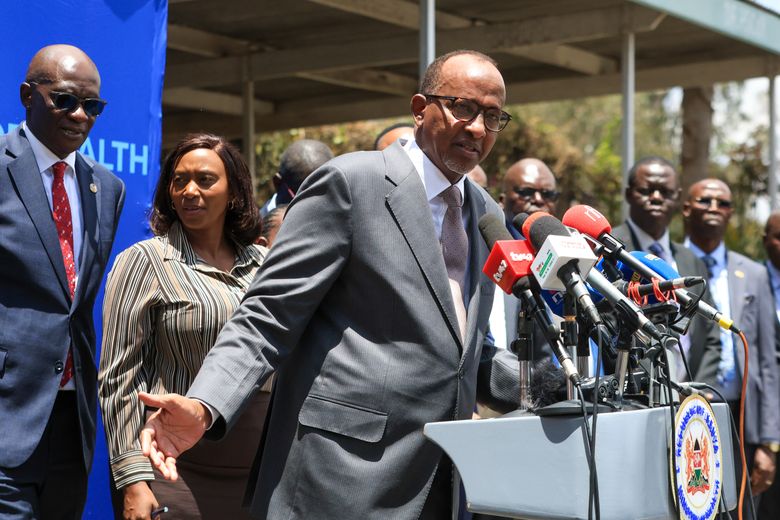
The Ministry of Health confirmed the case on Tuesday, October 6, 2026, saying the patient had tested positive for Ebola Bundibugyo virus disease.
The development has triggered an immediate public-health response, with authorities working to identify people who may have come into contact with the patient during the journey and after arrival in Kenya.
Patient Travelled From DRC Through Uganda
The patient had been living in the Democratic Republic of Congo before beginning the journey back to Kenya.
Rather than travelling directly from the DRC to Nairobi, the patient travelled by road from the DRC to Kampala, Uganda, before taking a flight to Nairobi on Saturday, October 3.
After arriving in Nairobi, the patient was later taken for medical care and eventually tested positive for Ebola.
The patient died at Nairobi Hospital late Monday night.
Health Authorities Begin Contact Tracing
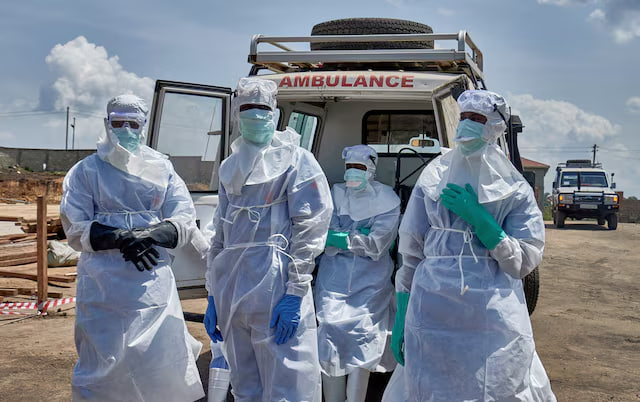
Kenyan health officials have begun tracing people who may have been exposed to the patient.
Authorities have identified 28 contacts so far, while efforts are continuing to locate passengers and crew members who travelled on the same flight from Uganda to Nairobi.
The government is also monitoring people considered to be at risk as part of the country's Ebola response.
Health teams are expected to continue surveillance and follow-up during the incubation period to determine whether any additional cases emerge.
Why Kenya Is Taking the Case Seriously
Ebola is a viral disease that can cause severe illness and can spread through direct contact with the bodily fluids of an infected person.
The confirmation of an imported case does not automatically mean Kenya is facing a widespread outbreak.
However, the patient's movements before diagnosis mean rapid contact tracing is critical. Identifying potentially exposed people early allows health authorities to monitor them and respond quickly if symptoms develop.
Kenya's health system has previously prepared for Ebola threats because of the country's geographical and travel links with countries in the region.
The DRC has also experienced Ebola outbreaks in the past, making cross-border surveillance an important part of regional disease-control efforts.
Government Urges Public to Remain Calm
Health authorities have urged Kenyans to remain calm while response teams investigate the case and monitor contacts.
The immediate priority is to prevent further transmission by identifying contacts, monitoring their health and ensuring that suspected cases can be isolated and tested quickly.
Authorities are also expected to continue strengthening surveillance at points of entry and coordinating with regional health agencies.
What Happens Next
The next stage of Kenya's response will focus heavily on contact tracing and surveillance.
Health officials will continue following people who may have been exposed to the patient while investigating the patient's movements before and after arriving in Kenya.
The situation remains under active monitoring as authorities work to determine whether there are any additional infections.
For now, the confirmed case is being treated as an imported case, and the government's response is focused on containing any potential spread before it develops into a larger outbreak.