A twice-yearly injection is changing the HIV prevention conversation
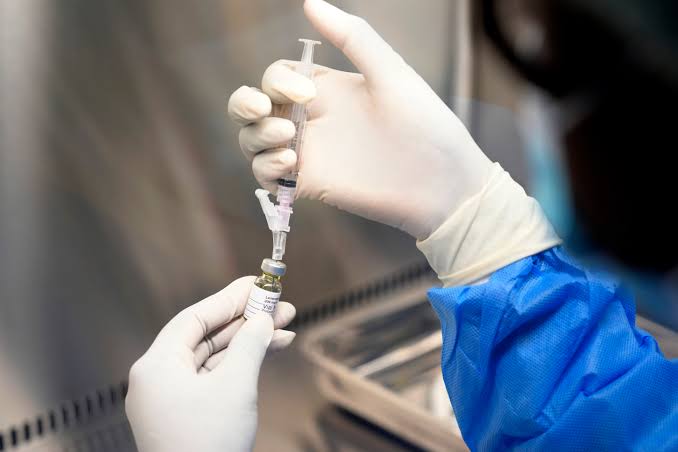
Imagine having an HIV prevention option that requires an injection just twice a year instead of remembering to take a prevention pill every day.
That is the promise of lenacapavir, a long-acting HIV prevention medicine developed by US pharmaceutical company Gilead Sciences.
The drug has attracted major attention after a 2024 clinical trial involving more than 2,000 young women in South Africa and Uganda recorded zero HIV infections among participants who received lenacapavir.
The results have helped turn the medicine into one of the most closely watched developments in HIV prevention.
Why lenacapavir is different
Lenacapavir belongs to a group of medicines known as pre-exposure prophylaxis, or PrEP.
PrEP is used by people who do not have HIV to reduce their risk of acquiring the virus.
Traditional PrEP options can require regular dosing, meaning users have to remember to take medication consistently.
Lenacapavir offers a different approach: an injection administered twice a year.
That could make prevention easier for people who find daily medication difficult to maintain, particularly in communities where access to healthcare, privacy or stable living conditions can be challenging.
The World Health Organization has recommended long-acting injectable lenacapavir as an additional PrEP option.
The breakthrough comes with a major catch
The science may be exciting, but getting the medicine to everyone who could benefit from it is proving much more complicated.
In the United States, lenacapavir costs around $28,000 per person each year.
Generic versions are expected to be dramatically cheaper, potentially costing around $40 per person annually.
The problem is timing and access.
Large-scale production of generic versions is not expected until 2027, meaning many countries could have to wait before affordable supplies become widely available.
Africa is already part of the rollout
Gilead has begun supplying its own version of lenacapavir at no profit to programmes supported by the Global Fund and PEPFAR.
Rollouts are under way in countries including Kenya, South Africa, Zambia, Nigeria and Eswatini.
For countries battling high HIV burdens, the arrival of a prevention option that only needs to be administered twice a year could be particularly significant.
But these supplies are not the same as having broad access to low-cost generic versions.
Some countries could be left behind
Médecins Sans Frontières, also known as Doctors Without Borders, says at least 26 middle-income countries are outside Gilead's current generic licensing agreement.
The organisation says some of these countries have significant HIV burdens and were involved in research that helped establish the drug's effectiveness.
Gilead has since announced a separate arrangement with the Pan American Health Organization covering 14 Latin American and Caribbean countries outside its main generic licensing territory.
However, critics argue that such arrangements could still leave some countries dependent on the pharmaceutical company's supply rather than giving them direct access to cheaper generic versions.
The humanitarian problem is even bigger
For people living through conflict, displacement or humanitarian emergencies, taking medication every day can be difficult.
Healthcare facilities may be far away, people may move frequently, and maintaining a regular supply of medication can become challenging.
A twice-yearly injection could therefore offer an important advantage in some humanitarian settings.
But MSF says it has spent more than a year trying to obtain lenacapavir directly from Gilead for its medical programmes and says it has not been permitted to purchase the medicine.
Gilead has said its access strategy includes no-profit supplies, royalty-free licensing and regional agreements.
Could governments bypass patent barriers?
There is another route available to governments facing barriers to affordable access.
World Trade Organization rules allow countries, under certain conditions, to use public-health safeguards involving pharmaceutical patents.
One option is compulsory licensing, which can allow a government to authorise the production or importation of a generic medicine without the patent holder's permission, subject to the applicable legal requirements.
Brazil has used such measures before. In 2007, the country issued a compulsory licence for the HIV medicine efavirenz after negotiations over its price failed.
Health advocates are now discussing whether similar legal mechanisms could be considered for lenacapavir if patent restrictions prevent affordable access.
The bigger question isn't just about the medicine
Lenacapavir could become an important tool in preventing new HIV infections.
But scientific success alone does not guarantee public-health success.
The medicine will only have a global impact if people who need it can actually obtain it at an affordable price.
That leaves governments, pharmaceutical companies, international organisations and health advocates facing a difficult question: can the world turn a major medical breakthrough into a treatment that is accessible based on need rather than geography or income?
For millions of people at risk of HIV, the answer could matter just as much as the science behind the injection.