KENYA BRACES FOR EL NIÑO: HEALTH MINISTRY WARNS OF POTENTIAL WATERBORNE DISEASE SURGE
NAIROBI, KENYA — As Kenya prepares for forecasted El Niño rainfall, the Ministry of Health (MoH) has issued a vital public health advisory warning of a heightened risk of waterborne diseases. The impending heavy rains present a significant threat of contamination to drinking water sources, creating prime conditions for potential surges in waterborne and diarrhoeal illnesses such as cholera, typhoid, and dysentery.
Speaking regarding the weather outlook, Principal Secretary for Public Health Mary Muthoni emphasized that the advisory is a proactive, preventive measure rather than a confirmation of any active disease outbreak. The primary objective is to build national and local resilience, ensuring that healthcare infrastructure, county governments, and local communities act decisively to prevent infections before heavy rains begin.
KEY RISK FACTORS & VULNERABLE AREAS
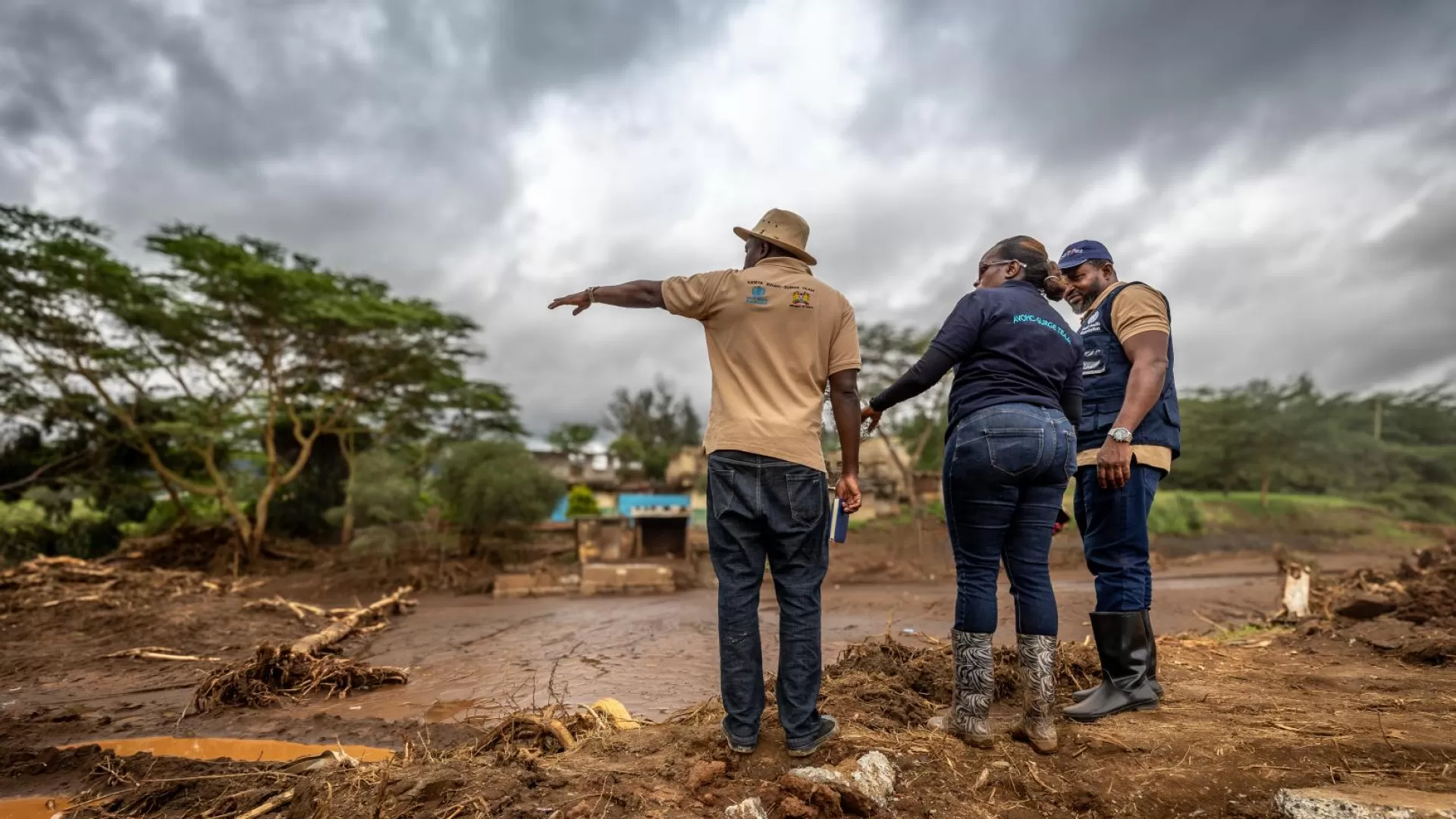
Heavy rainfall and flooding frequently destroy sanitation systems, submerge clean water lines, and trigger sewer overflows. The Ministry highlighted several factors elevating public health risks:
Sanitation Contamination: Surface run-off and overflowing sewage lines threaten to mix directly with natural rivers, open wells, and municipal water distributions.
High-Risk Zones: Densely populated urban centers—including Nairobi, Mombasa, Kisumu, and Eldoret—alongside informal settlements and flood-prone lowlands, face the highest exposure due to inadequate drainage systems.
Infrastructure Disruption: Floodwaters have the potential to render roads impassable, isolating remote areas and restricting access to critical healthcare services.
GOVERNMENT MOBILIZATION AND PREPAREDNESS
To mitigate risks, national and county public health bodies have activated emergency coordination structures, including Public Health Emergency Operation Centres. County governments and water service utilities have been directed to inspect drinking water reservoirs, repair leaking sewer pipes, clear blocked drainage systems, and conduct routine water quality monitoring.
Simultaneously, health facilities across the country are reviewing response readiness. Strategic stockpiles of essential medical supplies—such as Oral Rehydration Salts (ORS), intravenous fluids, water treatment chemicals, and infection control materials—are being distributed to guarantee prompt treatment capabilities.
THE ROLE OF COMMUNITY HEALTH PROMOTERS
Grassroots mobilization forms a critical pillar of the Ministry's strategy. Community Health Promoters (CHPs) are being deployed across households to lead door-to-door public education campaigns. CHPs will focus on teaching hygiene best practices, monitoring community health status, and immediately escalating any unusual clusters of diarrhoeal illness to disease surveillance units for rapid containment.
PUBLIC HYGIENE ADVISORY
The Ministry of Health encourages every household to strictly follow basic preventative measures to safeguard family health:
Water Safety: Drink boiled or chemically treated water, strictly adhering to recommended dosages for purification products. Store all drinking water in clean, covered containers.
Food & Hand Hygiene: Wash hands regularly with soap and safe running water before cooking, eating, or feeding children, and after using the toilet. Ensure food is thoroughly cooked and served hot.
Early Reporting: Seek immediate medical evaluation at the nearest health facility upon experiencing persistent diarrhoea, vomiting, or high fever.
Through coordinated action between government agencies, local administrators, and individual households, Kenya aims to safeguard public health and minimize disease transmission throughout the El Niño season.