
Stanford Scientists Discover Human Brain Develops From Two Distinct Systems
Scientists at Stanford Medicine have uncovered evidence that the human brain develops from two distinct cellular systems that evolved separately over hundreds of millions of years before becoming integrated into a single organ. The findings challenge a long-standing understanding of brain development and could open new opportunities for studying neurological disorders that affect the brainstem. The research, published in Nature Neuroscience on September 18, 2026, suggests that the forebrain and midbrain develop from a different group of early cells than the hindbrain, which controls essential functions such as breathing and heartbeat regulation.
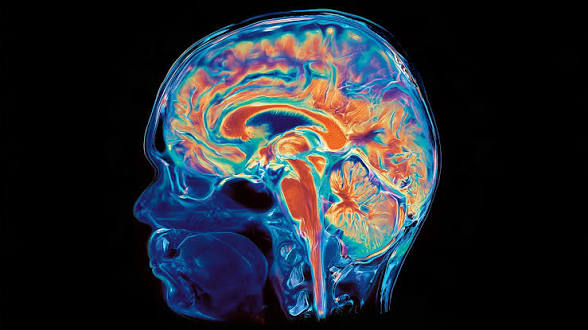
For decades, scientists have generally believed that all major regions of the brain originate from a shared population of early developmental cells. However, the Stanford-led research identified two distinct groups of precursor cells during early embryonic development. One group gives rise to the forebrain and midbrain, which are involved in functions such as language, reasoning and consciousness. The other develops into the hindbrain, which regulates automatic bodily processes, including breathing, sleep and heartbeat, as well as muscles involved in speaking and swallowing.
The researchers examined developing mouse embryos and identified differences in the genetic activity and DNA packaging of the two cell populations. Their findings indicated that the cells follow separate developmental pathways from an early stage rather than one region developing from the other. The team also traced evidence of this two-origin pattern across several animal groups, suggesting that the distinct systems have deep evolutionary roots.
One of the most significant outcomes of the study was the team's ability to produce functional human hindbrain motor neurons in the laboratory using stem cells. Scientists have struggled for years to grow these particular cells, limiting research into diseases that affect the brainstem. The lab-grown neurons displayed electrical activity and characteristics associated with authentic hindbrain cells, providing researchers with a new model for studying how these cells function and respond to disease.
The breakthrough could have implications for research into amyotrophic lateral sclerosis, commonly known as ALS, and spinal muscular atrophy, or SMA. Both conditions can affect motor neurons involved in essential functions such as swallowing and breathing. By creating functional hindbrain neurons in the laboratory, researchers may be better equipped to investigate how these diseases develop, identify potential treatment targets and test experimental approaches. However, the findings do not represent a cure or an immediately available treatment, and further research will be needed to establish their clinical significance.
The research offers a new perspective on how the brain forms and how its different regions acquire their specialised functions. Although the findings have been described as evidence that the brain consists of two distinct organs, the brain remains a single, highly integrated organ in the human body. The discovery instead concerns its developmental origins and the evolutionary history of the systems that work together to support human life and cognition.