
Japan Erupts in Anger After U.S. Marine Arrested Over Woman’s Death in Okinawa
A criminal investigation in southern Japan has quickly become a national issue.
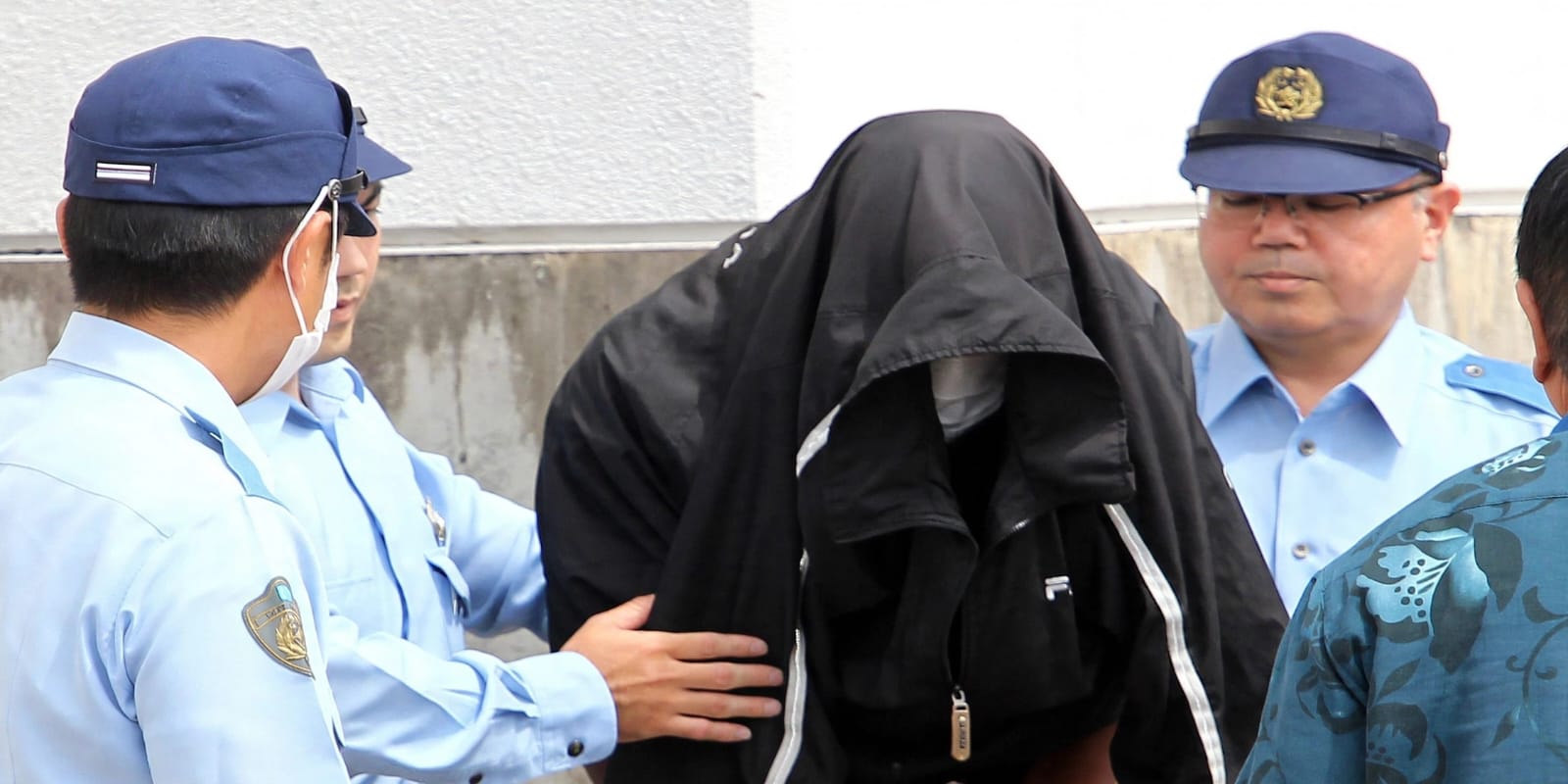
A 20-year-old U.S. Marine stationed in Okinawa has been arrested on suspicion of robbing and killing a 39-year-old Japanese woman at a hotel in Naha, the capital of Okinawa Prefecture.
Japanese authorities say the suspect, Lance Corporal Devin Jacob Ballard, has denied the allegations. The case remains under investigation and the accusations have not been proven in court.
The arrest has nevertheless triggered anger across Okinawa and beyond, reviving a decades-old dispute over the presence of U.S. military personnel on the island.
A Hotel Investigation Quickly Turns Into a Major Case
The woman, identified in reports as Anna Yagi, was found dead inside a Naha hotel after failing to check out.
Japanese police say investigators examined security-camera footage as they tried to establish what happened. Local reports cited by major news organizations said footage showed a foreign man entering a hotel room with Yagi and later leaving alone with belongings believed to be hers.
Police subsequently identified and arrested Ballard, who is stationed at the U.S. Marine Corps Air Station Futenma in Okinawa.
Authorities are continuing to investigate the circumstances surrounding the death and the alleged robbery.
Japan Sends a Strong Message to Washington
The arrest immediately pushed the case beyond the police investigation.
Prime Minister Sanae Takaichi condemned the incident and said Japan had lodged a strong protest with the United States. Tokyo has demanded full cooperation with the investigation and stronger discipline among U.S. military personnel stationed in Japan.
Japan's Defense Minister Shinjiro Koizumi also condemned the incident, saying crimes and accidents involving U.S. military personnel create serious anxiety among local communities.
The U.S. ambassador to Japan, George Glass, expressed condolences and said the United States would cooperate fully with Japanese authorities. The Marine Corps has likewise said it is cooperating with the investigation.
Why Okinawa Is Reacting So Strongly
For Okinawa, this is not simply another criminal investigation.
The island has carried a particularly heavy share of Japan's U.S. military presence for decades. Around 54,000 U.S. military personnel are stationed in Japan, including roughly 18,000 Marines, with a large concentration based in Okinawa.
The roots of that arrangement stretch back to World War II. Okinawa remained under U.S. administration after the war before being returned to Japanese control in 1972.
Since then, local residents have repeatedly protested over crimes, accidents, noise and other problems associated with the military presence.
That history means each serious incident can reopen much older wounds.
Anger Spills Onto the Streets
The reaction was already visible over the weekend.
About 100 people gathered for a protest in Naha, while another demonstration took place outside the Okinawa prefectural government building. Protests were also held in Tokyo.
For some demonstrators, the case has raised a difficult question about the purpose and cost of the U.S. military presence.
Okinawa native Sorane Sakihama, who organized a Tokyo demonstration, told AFP that she was deeply upset after learning of the woman's death and planned another protest outside the U.S. Embassy.
The demonstrations show how quickly a single alleged crime can become part of Okinawa's much larger debate over American bases.
Okinawa's New Governor Demands Action
The island's newly elected governor, Genta Koja, has also reacted strongly.
Koja met U.S. military commanders in Naha on Monday and called for changes to arrangements governing American military personnel in Japan. He said the incident had deeply shocked residents living alongside U.S. bases.
His intervention adds pressure on both Tokyo and Washington at a sensitive moment.
Okinawa's military presence is strategically important to the U.S.-Japan alliance, particularly because of the island's location in East Asia. But for many residents, strategic importance does not erase concerns about the day-to-day burden of living alongside military facilities.
A Painful History Returns to the Spotlight
The latest case has also brought previous incidents involving U.S. military personnel back into public discussion.
Okinawa has experienced years of protests following allegations and convictions involving American servicemen. A particularly significant case occurred in 1995, when the rape of a 12-year-old girl by U.S. servicemen triggered huge demonstrations over the military presence.
More recently, a former U.S. Marine and civilian base worker was sentenced to life imprisonment in 2017 after being convicted in the rape and murder of a local woman.
Those events help explain why the latest arrest has generated such a strong response.
What Happens Now?
The immediate question is the criminal investigation.
Ballard remains in Japanese custody and has denied the allegations. Investigators will continue examining the evidence surrounding the woman's death and the alleged robbery before the case proceeds through Japan's legal system.
But the political consequences are already being felt.
Tokyo is demanding greater cooperation and stronger discipline from the U.S. military, while Okinawan officials are pressing for measures they say could better protect local communities.
For residents, the case has brought an old debate back into sharp focus: how should Japan balance the strategic importance of the U.S. military alliance with the concerns of communities that live alongside its bases?
That question is likely to remain long after the criminal investigation moves forward.