Scientists Discover First New Wild Cat Species in More Than a Century
Scientists have identified a previously unknown wild cat species in Bolivia, marking the first time a new living feline species has been formally described in more than a century. The animal, named Leopardus tilcayo, is a small, spotted wild cat found in the Yungas forest region along the eastern slopes of the Andes. The discovery was documented in a study published in the scientific journal Current Biology in September 2026, following years of research into the animal's genetic makeup.
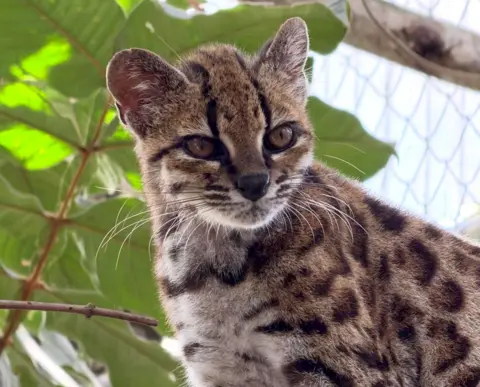
The discovery began when a local family found the unusual cat as a kitten and initially believed it was a domestic animal. The animal was eventually taken to the Senda Verde wildlife sanctuary in Bolivia, where biologist Paola Nogales-Ascarrunz examined it. Initially, researchers thought the cat belonged to an already known species of tiger cat. However, its distinctive physical features, including its larger spots and unusual appearance, raised questions about its classification. Subsequent genetic analysis revealed that it represented a previously unrecognized evolutionary lineage.
Researchers compared genetic material from more than 30 cats across the Leopardus genus, using samples from living animals and preserved museum specimens. The findings indicated that the tilcayo's lineage diverged from related cats approximately 1.4 million years ago. The study also found that what was previously considered a single widespread tiger cat species actually consists of several distinct species, highlighting how modern genetic research is reshaping scientists' understanding of South America's wild cats.
The tilcayo is smaller than an average domestic cat, measuring approximately 46 centimetres in body length and weighing around 1.4 kilograms. It has a light brown coat covered in dark, leopard-like spots, rounded ears and a relatively long tail. The name tilcayo comes from a term used by local communities in Bolivia's Yungas region. Researchers say the species has so far been documented in Bolivia, although its full geographic range and population size remain uncertain.
The discovery also raises questions about the conservation of small wild cats. The Yungas forests face threats from habitat loss, agricultural expansion and other human activities. Scientists say identifying distinct species is important because animals previously grouped into a single widespread population may actually have much smaller ranges and populations, potentially making them more vulnerable to extinction. Researchers are now working to gather more information about the tilcayo's distribution, behaviour and numbers in the wild.
The discovery of Leopardus tilcayo underscores how much remains unknown about wildlife, even among mammals that have been studied for generations. Researchers hope that the genetic methods used in the study will help identify other overlooked species and improve conservation efforts across South America and beyond.