The rains are still weeks away, but the warnings have already begun. As Kenya approaches the October–December rainy season, weather forecasters are watching an El Niño event that could reshape the season ahead. For Kenyans, however, the message is not to panic. It is to prepare, before the first heavy downpour exposes the risks we already know too well.
On September 11, the Kenya Meteorological Service Authority (KMSA) said it is closely monitoring the evolving El Niño situation and will continue issuing advisories as the October–December (OND) rains approach. The agency’s message was clear: “There is no cause for panic, but there is every reason to prepare early, remain alert and follow verified government and KMSA advisories.”
That warning comes at a time when one thing is becoming increasingly clear: El Niño has developed and is likely to persist into early 2027, but its eventual strength remains uncertain.
In an August briefing, KMSA placed the probability of a strong El Niño event at 81 percent. Other assessments have since put the likelihood closer to 60 percent. The difference matters. It means forecasts can change as conditions evolve, and anyone promising exact outcomes this early should be treated with caution.
So, what exactly is El Niño?
El Niño is not simply another word for rain. It is a climate pattern caused by unusually warm surface waters in the central and eastern Pacific Ocean, which can disrupt weather patterns far beyond the Pacific. The phenomenon typically occurs every two to seven years.
This year's situation is particularly important because El Niño is developing alongside a positive Indian Ocean Dipole (IOD), a separate climate pattern in which the western Indian Ocean becomes warmer relative to the eastern part.
When the two occur together, they can favor increased rainfall across East Africa. That combination is one reason Kenyan forecasters are watching the coming rainy season so closely.
Why are officials warning Kenyans?
Kenya has experienced the consequences of powerful El Niño-linked rains before.
During the 1997/98 El Niño, floods damaged roads, homes and farmland. The rains were also associated with a Rift Valley Fever outbreak that infected an estimated 89,000 people and killed between 200 and 250 people in northeastern Kenya, according to a peer-reviewed assessment.
A separate malaria outbreak during the same period killed at least 1,500 people.
More recently, Kenya experienced another reminder of how quickly flood impacts can escalate. During the 2023/24 rainy season, the flood death toll rose from 76 people in late November 2023 to 160 just two weeks later.
That history explains why authorities are emphasizing preparation before the rains intensify, rather than waiting until flooding and disease outbreaks are already underway.
What could change as the rains arrive?
The rains are expected to begin building in Western Kenya from September before spreading across roughly 80 percent of the country by late October.
The government has identified 18 counties as being at particularly high risk across several regions, including North Eastern, the Coast, the Lake Basin and the Rift Valley.
The risks will not be the same everywhere.
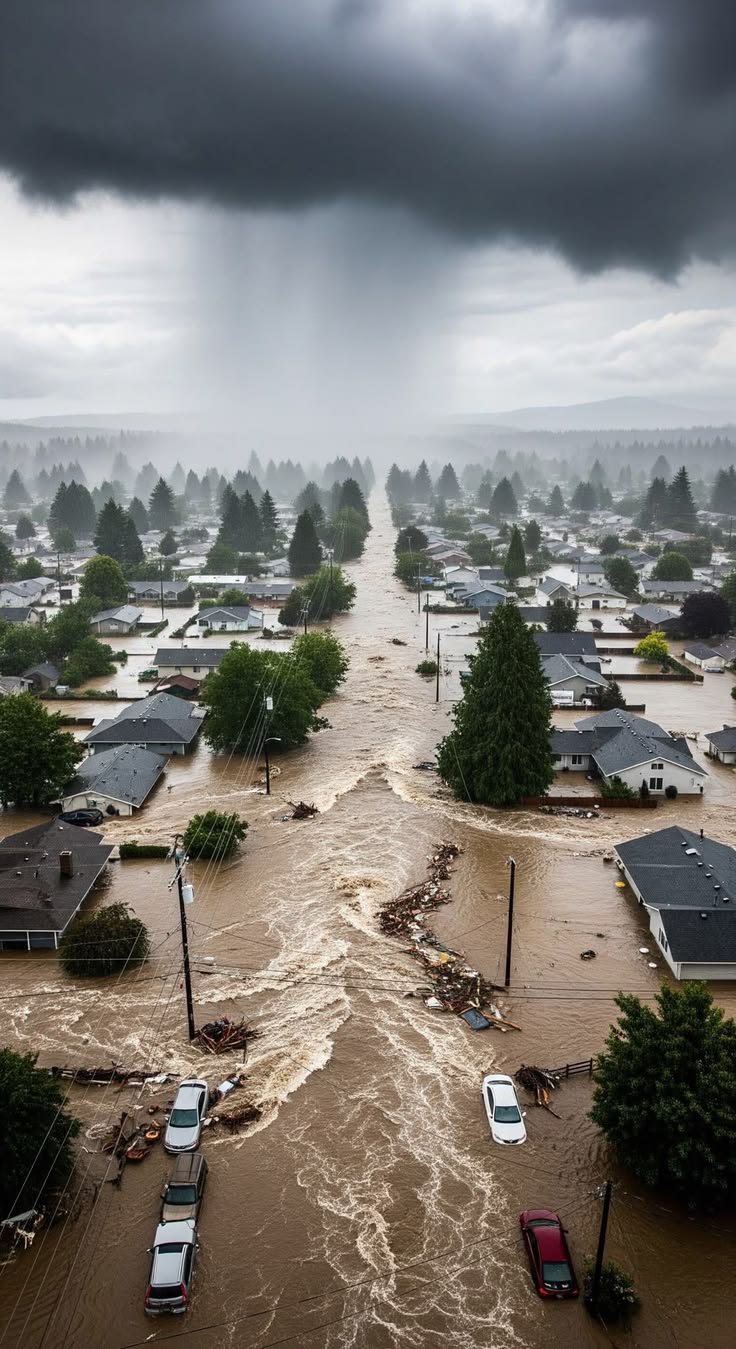
Along the Coast, Lake Basin and parts of North Eastern Kenya, heavy rainfall could bring flooding and related disruptions. In Nairobi, the danger is different but familiar: blocked drainage systems and extensive concrete surfaces can turn intense rainfall into rapid urban flooding.
Some Rift Valley counties face an especially complicated situation, with drought conditions potentially followed by sudden flash floods.
In other words, the question is not simply whether Kenya will receive rain, it is where the rain will fall, how intense it will be and whether communities are prepared for what follows.
Is Kenya prepared?
The government says it is coordinating preparedness efforts through a National Crisis Communication Standing Committee, with the aim of getting verified warnings to counties and the public.
The Ministry of Health also plans to distribute 10 million treated mosquito nets from November in anticipation of increased disease risks in areas affected by flooding.
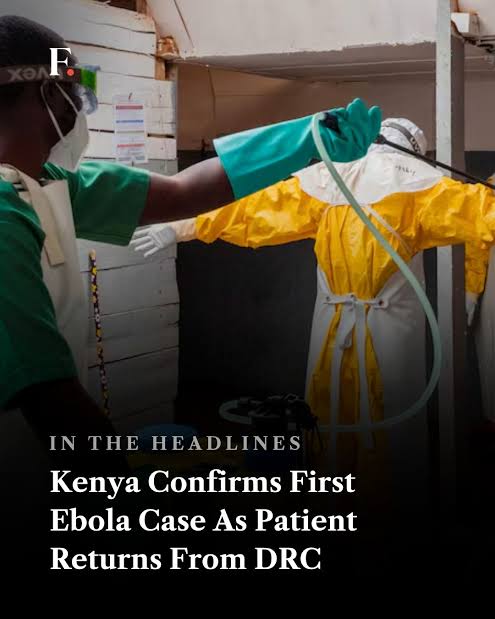
Kenya is also finalizing approximately KSh 51.8 billion ($400 million) in emergency financing from the World Bank. However, this figure needs context: the funding is not exclusively for El Niño preparedness. It is being shared across El Niño preparedness, the region’s Ebola outbreak response and pressures arising from high energy prices.
For ordinary Kenyans, the most important message may therefore be the simplest one: prepare early, stay informed and avoid the panic that often follows sensational weather headlines. Clear drainage channels. Understand the risks in your county. Pay attention to official weather alerts. And as the October rains approach, rely on verified information rather than rumors circulating online.
El Niño may be beyond anyone’s control. How prepared we are for its consequences is not.