
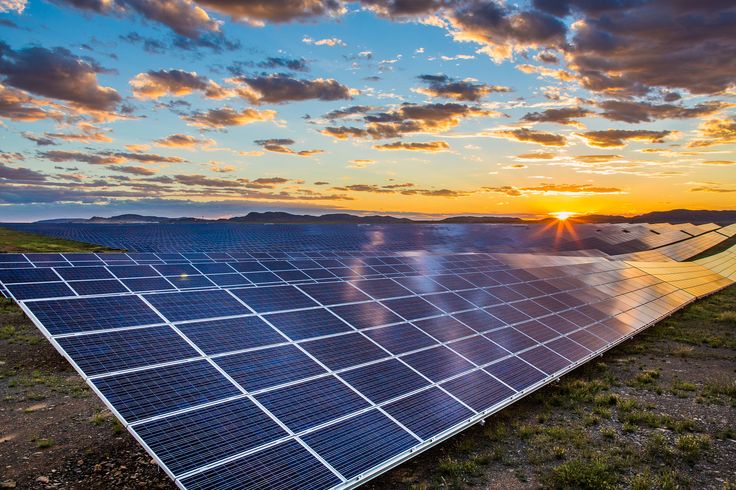
A solar panel quietly collecting sunlight on a rooftop, an electric motorcycle moving through a busy Kenyan street, or a battery storing power for later may not look like climate action. But together, technologies like these are changing one important question: how can we meet our everyday needs without putting more carbon into the atmosphere?
Carbon dioxide and other greenhouse gases are released through many activities that have become part of modern life. Petrol and diesel power millions of vehicles, fossil fuels support industries, and charcoal and firewood remain important sources of energy for many households. These activities provide essential services, but they also contribute to the warming of the planet.
Green technology offers another path.
Simply put, green technology is technology designed to reduce environmental harm, use resources more efficiently or support cleaner ways of producing energy and meeting human needs. Its importance is not just about protecting the environment. It is also about finding practical alternatives that can work in people's homes, businesses, farms, schools and communities.
Turning sunlight into power
Solar energy is one of the clearest examples.
Solar panels convert sunlight into electricity without burning petrol, diesel or other fuels while generating power. For a household, that can mean lighting a home, charging phones or running appliances without relying entirely on conventional electricity sources or fuel-powered generators.
Kenya's abundant sunlight makes solar energy particularly useful. It can also reach places where access to the national electricity grid is limited, giving communities another way to meet their energy needs.
The biggest challenge can be the initial cost of purchasing and installing solar equipment. But once installed, sunlight itself comes without a fuel bill. This makes solar an example of how an environmental solution can also become an everyday economic consideration.
Rethinking how we move
Transport presents another opportunity.
Petrol and diesel vehicles release emissions through their exhausts, and motorcycles are particularly important in Kenya because boda bodas support transport, deliveries and livelihoods across the country.
Electric motorcycles are beginning to offer an alternative. Instead of an internal combustion engine burning petrol, an electric motorcycle uses a battery and electric motor. This eliminates tailpipe exhaust emissions while the motorcycle is operating and can reduce dependence on petrol.
But there is an important detail: an electric vehicle is only as clean as the electricity used to charge it. When charging comes from renewable sources such as solar, wind or geothermal power, the potential climate benefit becomes greater.
Technology is only part of the solution
Green technology does not mean replacing every existing machine overnight. It is about gradually changing how energy is generated, transported and consumed.
Solar systems can reduce dependence on fuel. Electric vehicles can change how people move. Energy-efficient technologies can reduce the amount of electricity needed to perform everyday tasks. Other innovations, including battery storage and smart energy systems, can make cleaner energy more practical and reliable.
The real promise of green technology is therefore not found in a single solar panel or electric motorcycle. It lies in changing the systems around us.
For Kenya and other countries facing the effects of a changing climate, the transition to cleaner technology is also a question of opportunity. The technologies we adopt today can influence not only how much carbon we emit, but also how we travel, power our homes, run businesses and build the economies of tomorrow.
Green technology is, at its heart, an attempt to make modern life work differently. The goal is not to stop progress, but to redefine what progress looks like when the atmosphere has a limit.